
Watercolor Ground in BJD Face-ups: Unlocking New Textures
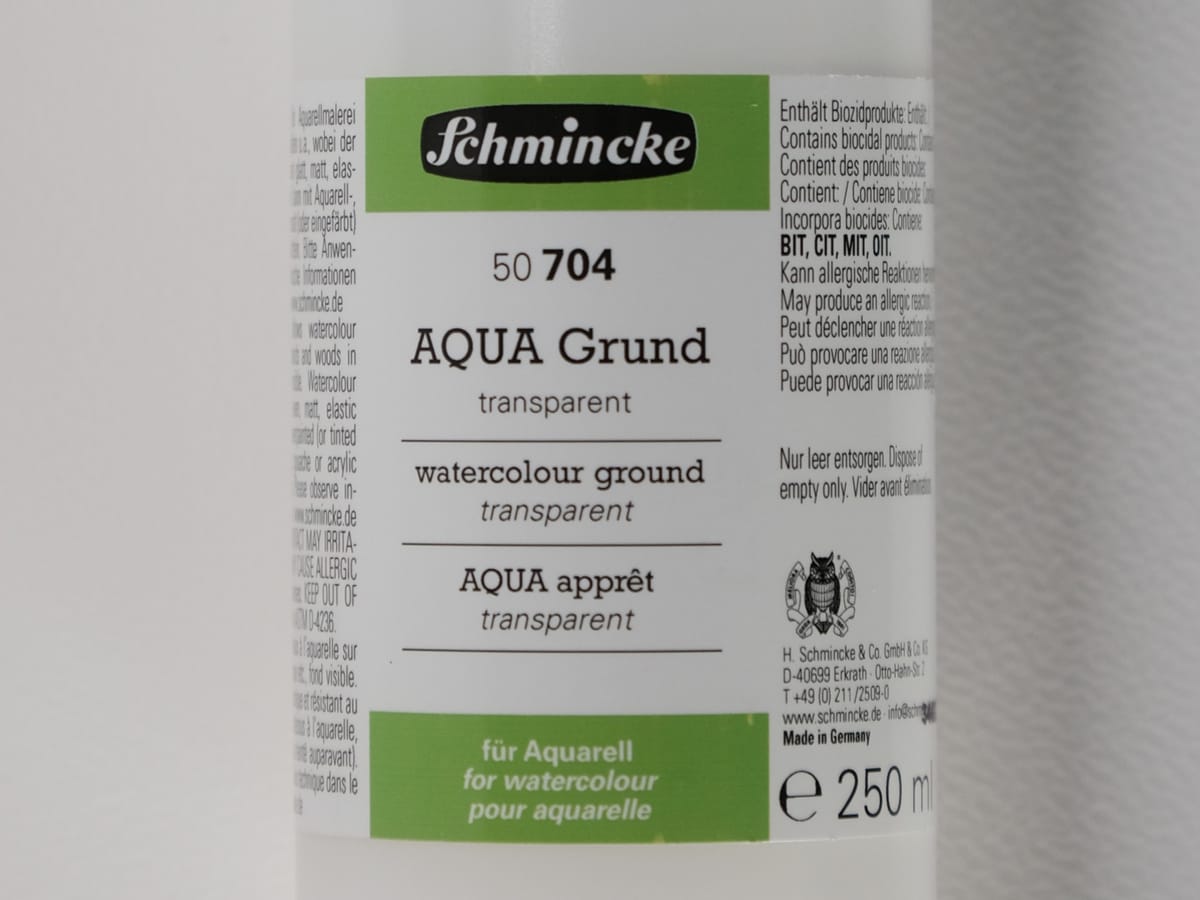
Watercolor ground (also called apprêt aquarelle) is a medium produced by most major watercolor brands. Its original purpose is exactly what it sounds like: it allows you to paint with watercolors on virtually any non-porous surface, like wood, plastic, or copy paper, by mimicking the absorbent properties of real watercolor paper.
The Texture and Color
Just like actual watercolor paper, these grounds come in different textures. If you buy a "rough" texture ground that comes in a tub, it will have a heavy, paste-like consistency. This is practically impossible to apply evenly over the tiny, complex contours of a doll's face, and the chunky particles make it completely unsuitable for airbrushing.
Another key factor is color. While white is common, transparent watercolor ground is definitely the way to go if you want to incorporate it seamlessly into your face-up layers.
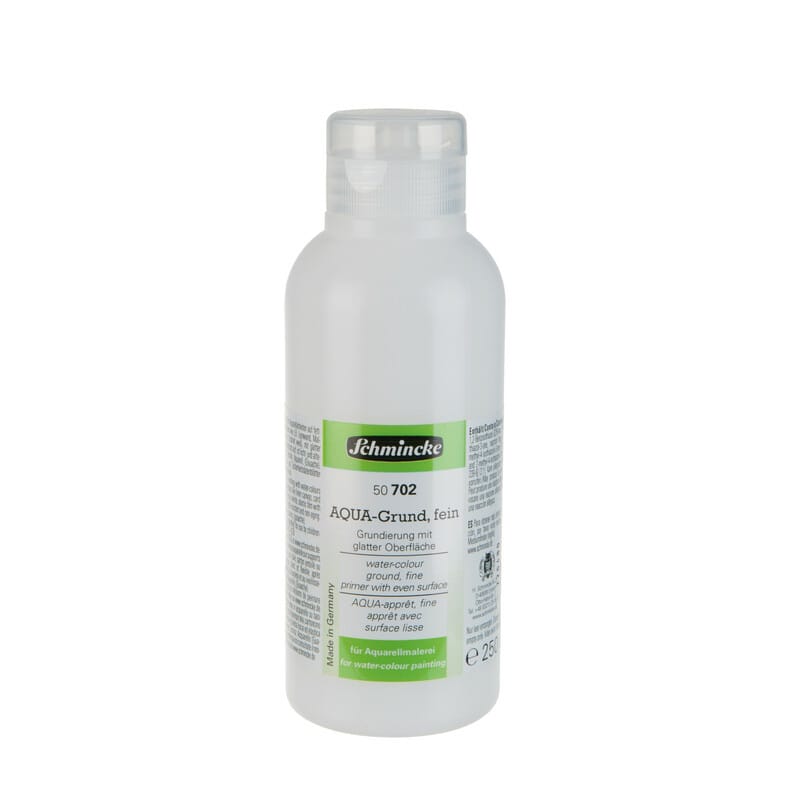
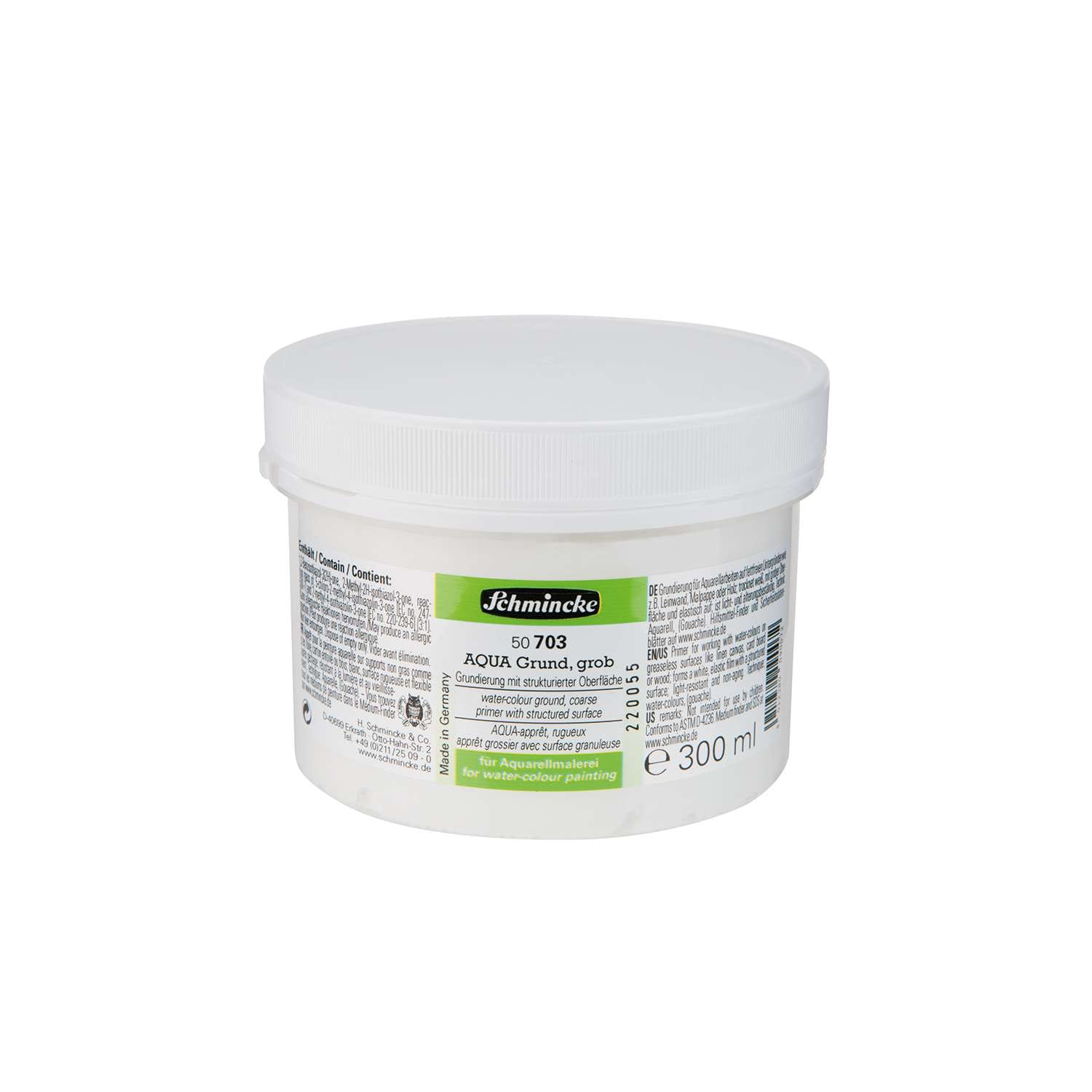
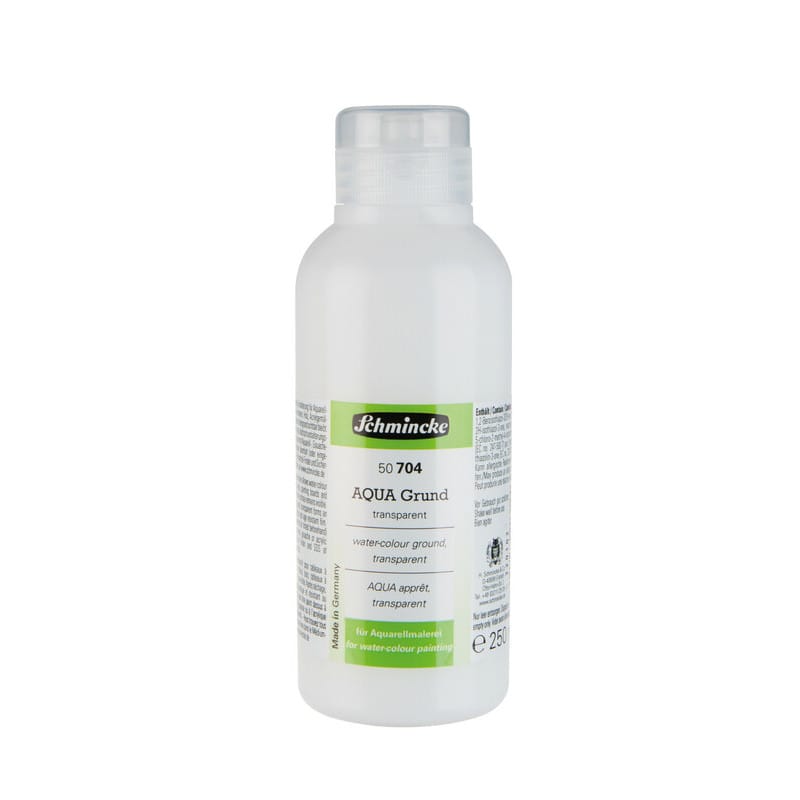
From left to right: 50702 fine-textured white, 50703 coarse-textured white, 50704 fine-textured transparent
Strength, Airbrushing, Removal
This is what Schminke 50704 Aqua Grund transparent looks like before dilution:
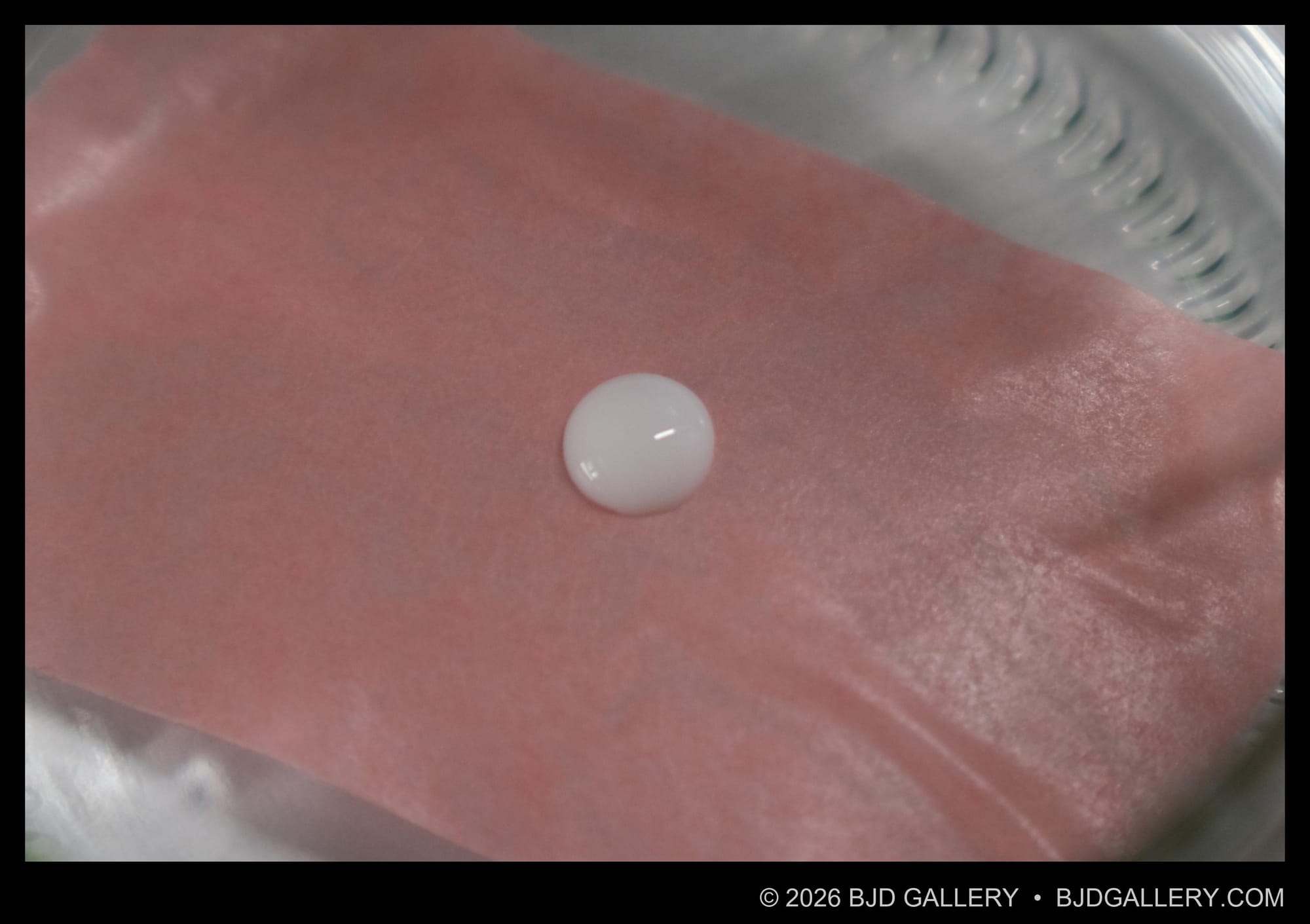
I diluted it with water until it reached the consistency of semi-skimmed milk, and then applied it with an airbrush. Once completely dry, it forms a hard, durable film with a texture.
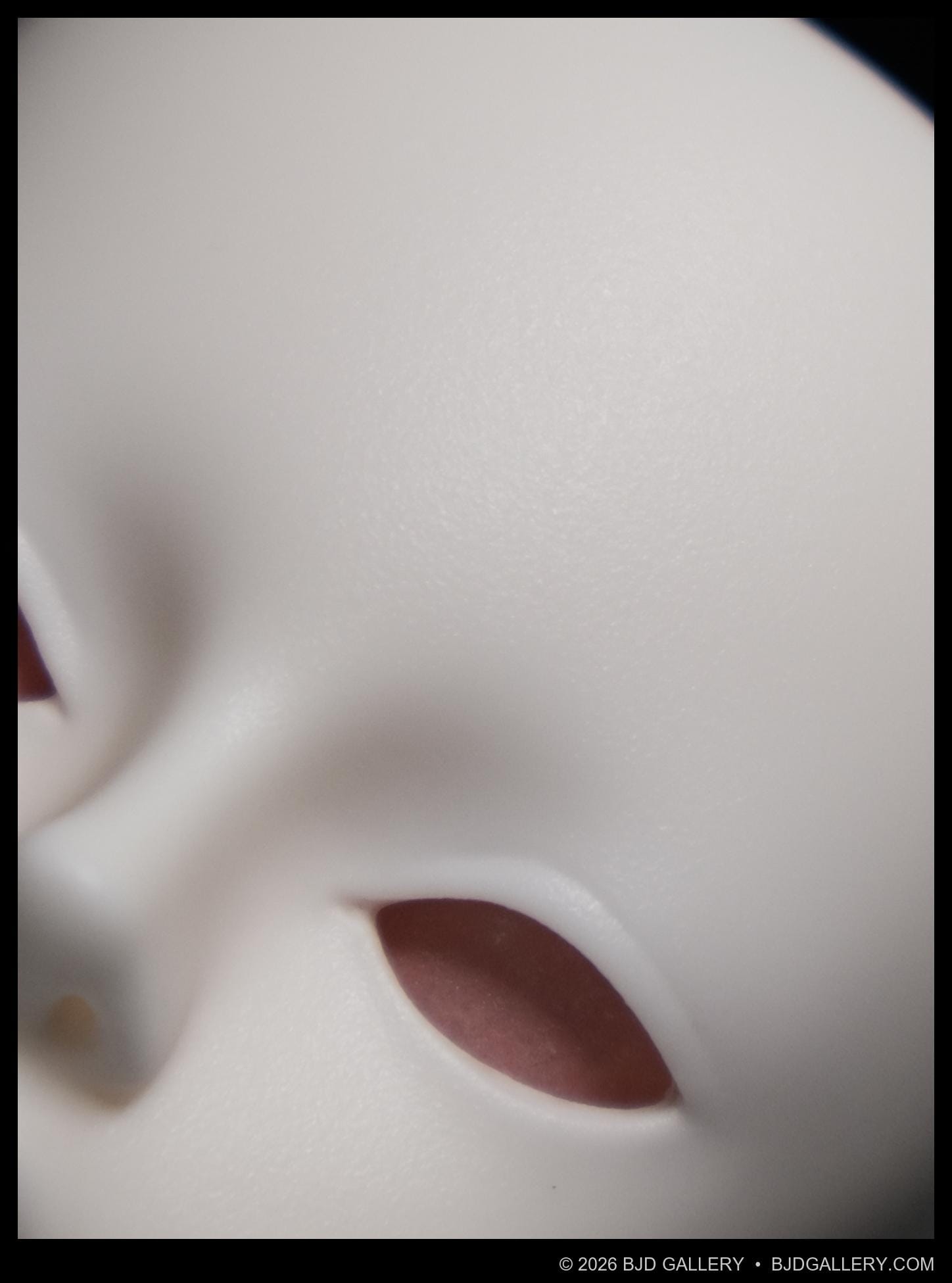
This ground drastically improves how watercolor behaves on resin. Instead of beading up into droplets, the paint easily forms smooth, even washes. The painting experience feels very similar to working on cellulose watercolor paper. You can achieve about 70% of the blending and wash effects you would get on actual watercolor paper, though this depends entirely on the thickness of your ground layer. If you airbrush it on too thin, it simply won't create a sufficiently absorbent surface.
Compared to watercolor paper, the pigment lifts off this ground much easier if you go over it repeatedly with a wet brush. You can easily solve this by sealing your work with another layer of watercolor ground (using the exact same logic as layering your standard matte varnish or MSC).
Because watercolor ground is highly absorbent by design, I highly advise against applying it directly to bare resin. Until we have conclusive long-term staining tests, always protect your doll by applying a standard sealant first, then airbrush the watercolor ground over it.
Like most water-based mediums, watercolor ground on the resin can be easily stripped away using 95% ethanol.
Creating Skin Textures
Because the airbrushed ground leaves a subtle physical texture, it is an absolute game-changer for painting heavy, realistic skin textures. It cuts the manual work in half!
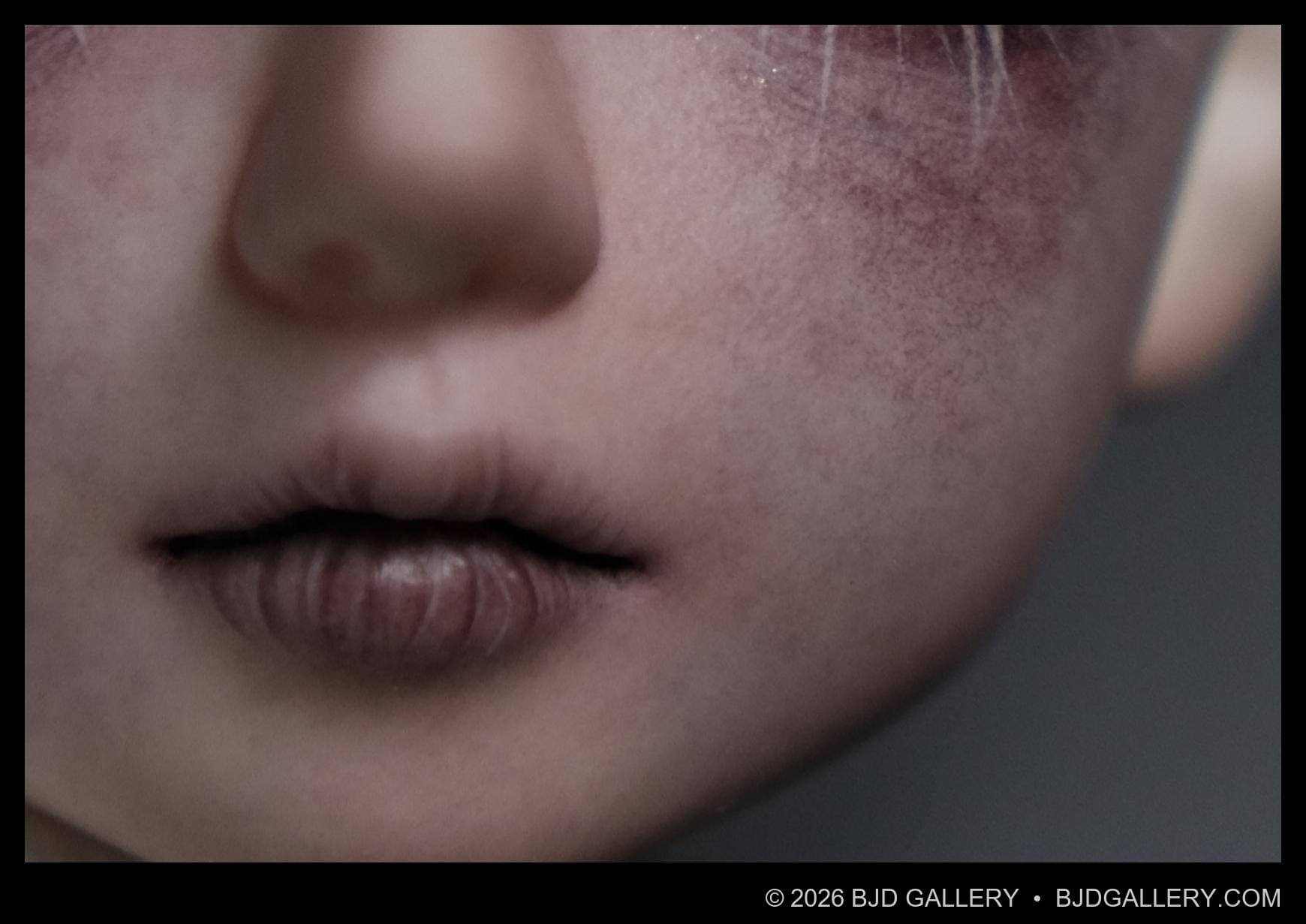
The workflow for the textured face-up shown above is actually quite simple: I applied a watercolor wash directly over the ground, and then used a damp brush to selectively lift and wipe away spots of pigment, creating that mottled skin effect. You can find other detailed photos of this face-up in this post.
 Rain Shower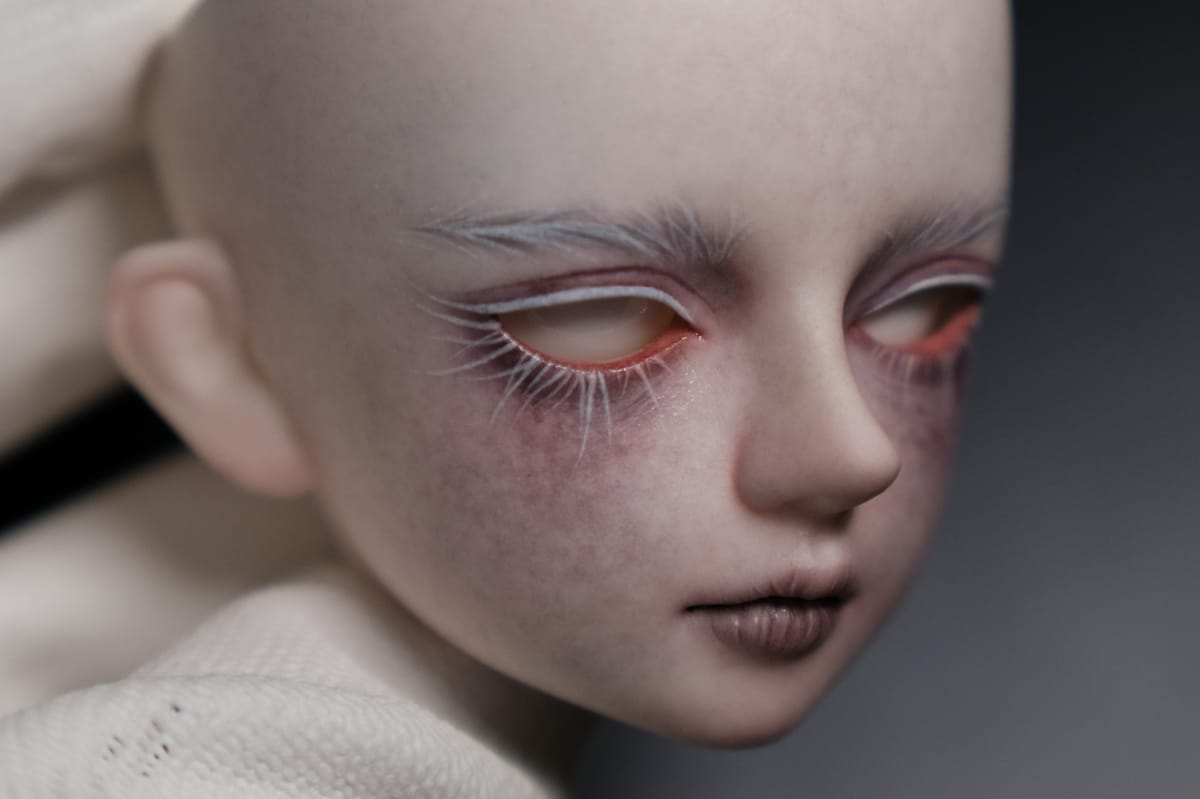
Summary
Using watercolor ground in BJD face-ups is highly viable. Not only does it solve the adhesion issues of using watercolors on resin, but it also creates a unique texture that adds incredible depth and realism to the paint job.
Using it for skin mottling is just one way to leverage this medium. I hope this post provides a bit of inspiration and encourages other face-up artists to experiment with this material in their own setups!