
Reviewing Maimeri Matte Varnish & The Underlying Logic of Using Acrylic Varnish and Medium in BJD Face-Up Layering
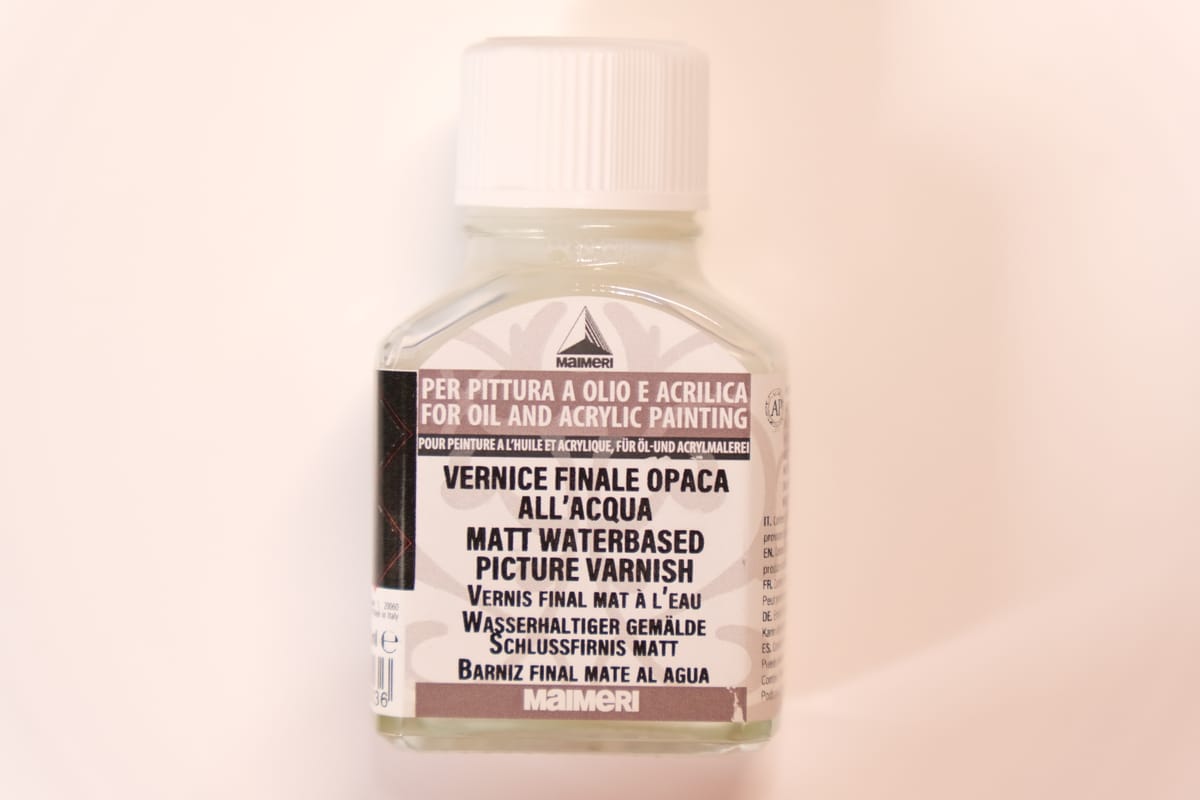
Recently, I have been experimenting with the new water-based Maimeri Matte Varnish. It is important to note that Maimeri offers both water-based and solvent-based varnishes. I highly advise against the solvent-based variety for dolls, as it is flammable, toxic, and may damage the resin surface.
Brush Application
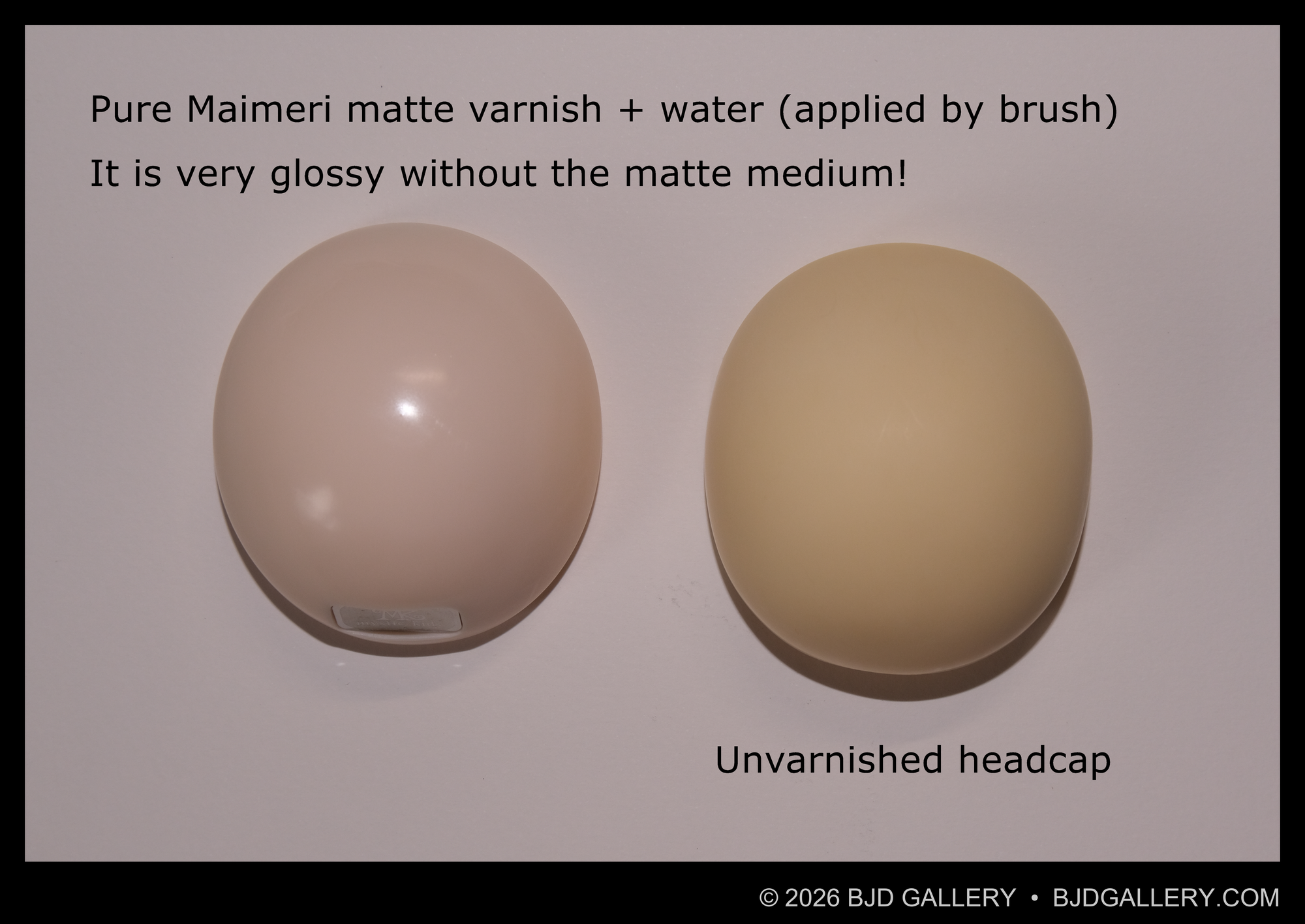
In my tests, the left cap was coated with Maimeri Matte Varnish, while the right cap was left unvarnished. Honestly, it is baffling that Maimeri labels this product as a "matte" varnish. When used straight out of the bottle, it dries indistinguishable from a gloss varnish. Consequently, it must be mixed with a matte medium to actually achieve a matte finish. On the plus side, this ultra-glossy finish means it likely has a very low silica (matting agent) content, which results in a remarkably strong and durable paint film (see the Durability Test section).
Airbrush Application
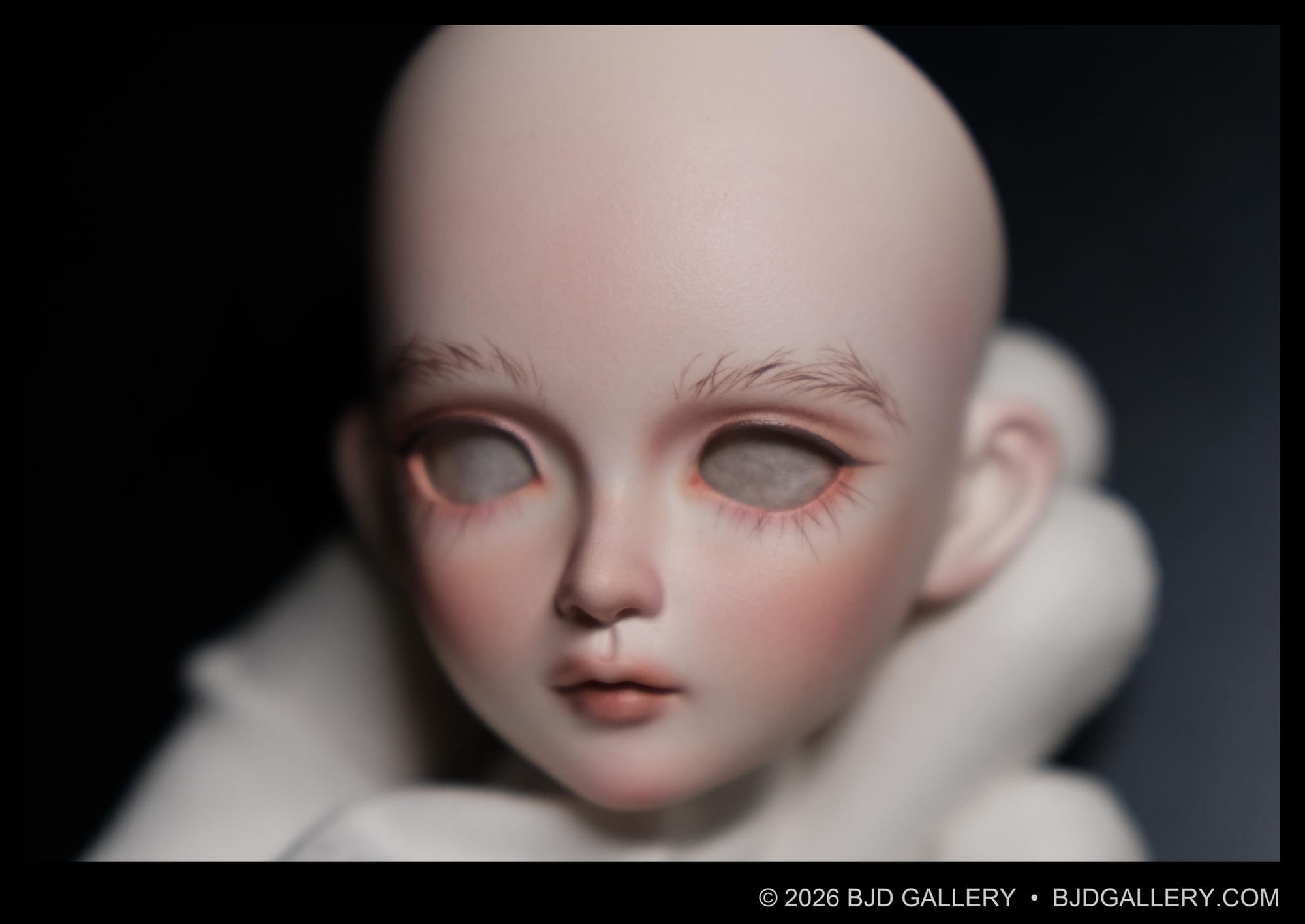
When properly mixed with a matte medium (I am using PÉBÉO Artist Acrylics Matt Medium, the purple one), this varnish can actually create a beautifully natural, skin-like sheen! You can check out the underlying logic below for the exact mixing ratio of varnish to matte medium that I use for airbrushing.
Durability Test
To test its strength, I let the brushed coating dry overnight and then vigorously scraped the surface and edges with my fingernail—not a single flake chipped off. When I scrubbed the surface hard with a wet cloth, my acrylic and watercolor test lines wiped away completely, but the underlying varnish layer remained perfectly intact.
The airbrushed coating demonstrated the same excellent durability once fully cured. It easily withstood heavy scrubbing during the acrylic layering process without any damage, making it an ideal protective sealer for delicate linework.
The Underlying Logic of Varnish-to-Medium Ratios
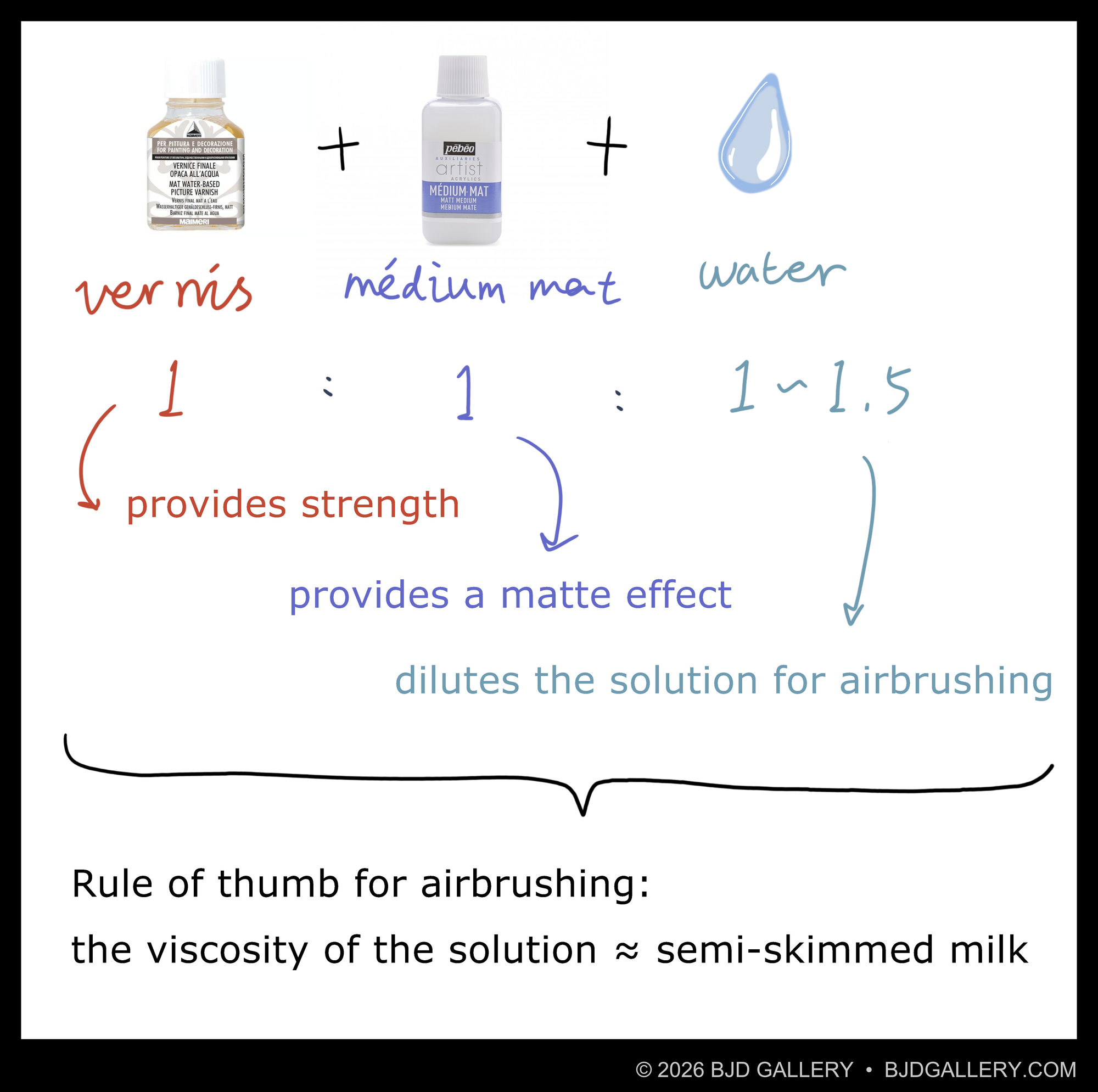
In traditional acrylic painting, a varnish (whether matte, satin, or gloss) serves as the final protective layer. Its main job is to unify the surface finish and provide structural strength, which is the key factor in scratch resistance of BJD face-ups.
A matte medium, on the other hand, is specifically designed to be mixed into acrylic paint to reduce its natural reflectivity; it is not formulated to provide structural durability. This explains why high-quality matte mediums (like Golden 3530) are incredibly fine and matte, yet cannot be used as a standalone final sealer—they simply lack the required strength and must be reinforced with a varnish.
When you are mixing the two for face-ups, the ratio determines the final result:
- More varnish = Greater scratch resistance and structural strength.
- More matte medium = A flatter, more matte finish (since, as we have established, some "matte" varnishes are rarely matte enough on their own) and a slight thinning effect.
Regardless of your exact ratio of varnish to medium, the most critical step is diluting the final mixture with water until it reaches the consistency of semi-skimmed milk. This is the rule of thumb for airbrushing. If your mixture is milk-thin and your airbrush is still clogging, the very first things you should troubleshoot are your air pressure (PSI) and the cleanliness of the airbrush itself.
Summary
While Maimeri Matte Varnish might be terribly misnamed right out of the bottle, its low silica content makes it an incredibly robust structural sealer. By mixing it with a true matte medium to cut the gloss and thinning it with water to the consistency of semi-skimmed milk, you will get a highly durable, scratch-resistant protective layer with a beautiful, natural finish for your BJD face-ups!